


There are several ways to implement AI in sales and marketing operations today. AI agents and chatbots are among the most popular options. Some consider them interchangeable, but they represent fundamentally different approaches to automation.
Chatbots follow scripted conversation workflows. They sit on your site, handle simple inquiries, and qualify leads as they come in, which makes them great for supporting inbound strategies and improving response times.
AI agents, on the other hand, are proactive. They use generative AI to find prospects, send cold emails, and book meetings, often with little or no human intervention. In other words, they give businesses more reach with less effort.
So, which automation type is ideal for which use case? This guide briefly breaks down their key differences and practical applications to help you choose correctly.
What’s The Difference Between Chatbots and AI Agents?
Chatbots aren’t new. Previous generations of chatbots relied on predefined answers, almost like a glorified FAQ section you can “talk to”. Newer chatbots integrated with AI are more intelligent, understand context, and provide answers to specific questions about your products.
AI Agents are the latest trend in sales. They can help you find leads that fit your ICP, qualify based on lead data, personalize sales emails, and automate outreach campaigns.
Some AI sales agents can even talk to prospects on the phone as if they were one of your reps. Aside from these nuances, here are the key differences between chatbots and AI agents:
How They Engage with Leads
Chatbots are reactive tools. They wait for someone to visit your website and start the conversation. Once interest is shown, their job is to assist, whether answering questions, helping with navigation, or guiding users toward a call to action (CTA).
AI sales agents are proactive. They don’t wait for inbound traffic. Instead, they search leads, reach out through email or LinkedIn, and initiate conversations without being prompted. They’re built to fill the top of your sales funnel and keep leads moving through it.
Where They Fit in the Customer Journey
Chatbots are most useful at the consideration or decision stage. They help clarify doubts, explain features, and provide support just before or after a purchase. Think of them as helpful assistants who guide warm leads and customers.
AI sales agents operate earlier in the funnel. They’re best for prospecting, qualifying, and starting relationships from scratch. They identify potential buyers, start the conversation, hand off sales-ready leads to your team, or book the meeting directly.
Their Role in Sales vs. Support
Even the most advanced AI-powered chatbots are still focused on support. They shine at explaining pricing, clarifying product functionality, or helping with account issues. Their job is to reduce friction once someone is already interested.
AI sales agents are built for lead conversion. They craft outreach based on lead data, follow up persistently, and tailor messaging to different personas or pain points. Instead of answering questions, they ask them, leading prospects toward a sale.
When Should You Get an AI Sales Agent Versus a Chatbot?
Any business can get a chatbot and an AI sales agent, assuming the budget allows. But if you're still testing the waters or want to prioritize one first, here’s a quick way to decide where to invest:
Get a Chatbot If You Need Quick Support and Simple Lead Capture
Chatbots assist website visitors, answer common questions, or collect contact information without much complexity. They work well for businesses without heavy outbound sales or nurturing. Here are a few signs that a chatbot might be the right fit for your current setup:
- Basic website support
- Your sales process isn’t complex
- You’re focused on lead capture, not nurturing
- You need something fast and affordable
- Your team handles outreach manually
Get an AI Sales Agent If You Want to Automate Outreach
AI sales agents go beyond support. They actively prospect, personalize outreach, and follow up, making them an extension of your sales team. Here are some of the reasons why an AI Sales Agent would be the best choice for your business:
- You want to automate outbound lead generation
- You’re selling high-ticket or B2B offers
- You want a rep who works 24/7
- You already know your target audience
- You’re team is burnt out on manual prospecting
When Should You Get Both?
If you’re handling a steady stream of inbound traffic and actively scaling outbound efforts, using both a chatbot and an AI sales agent can give you full coverage.
Chatbots can engage and qualify website visitors in real time, while AI agents work behind the scenes to fill your pipeline through cold outreach. This combo works best when:
- You want 24/7 coverage across inbound and outbound
- Your team needs support handling volume and follow-ups
- You're ready to invest in a more scalable, end-to-end sales system
Best Way to Use an AI Agent
The best place to deploy an AI sales agent is in your email marketing pipeline, specifically during prospecting, outreach, and lead nurturing. That’s where it can do the most work without raising red flags.
AI agents are great at identifying leads, sending personalized cold emails, qualifying based on responses, and consistently following up.
That’s why we built Instantly Copilot. It’s an AI Sales Agent engineered to help you scale cold email campaigns without scaling costs.
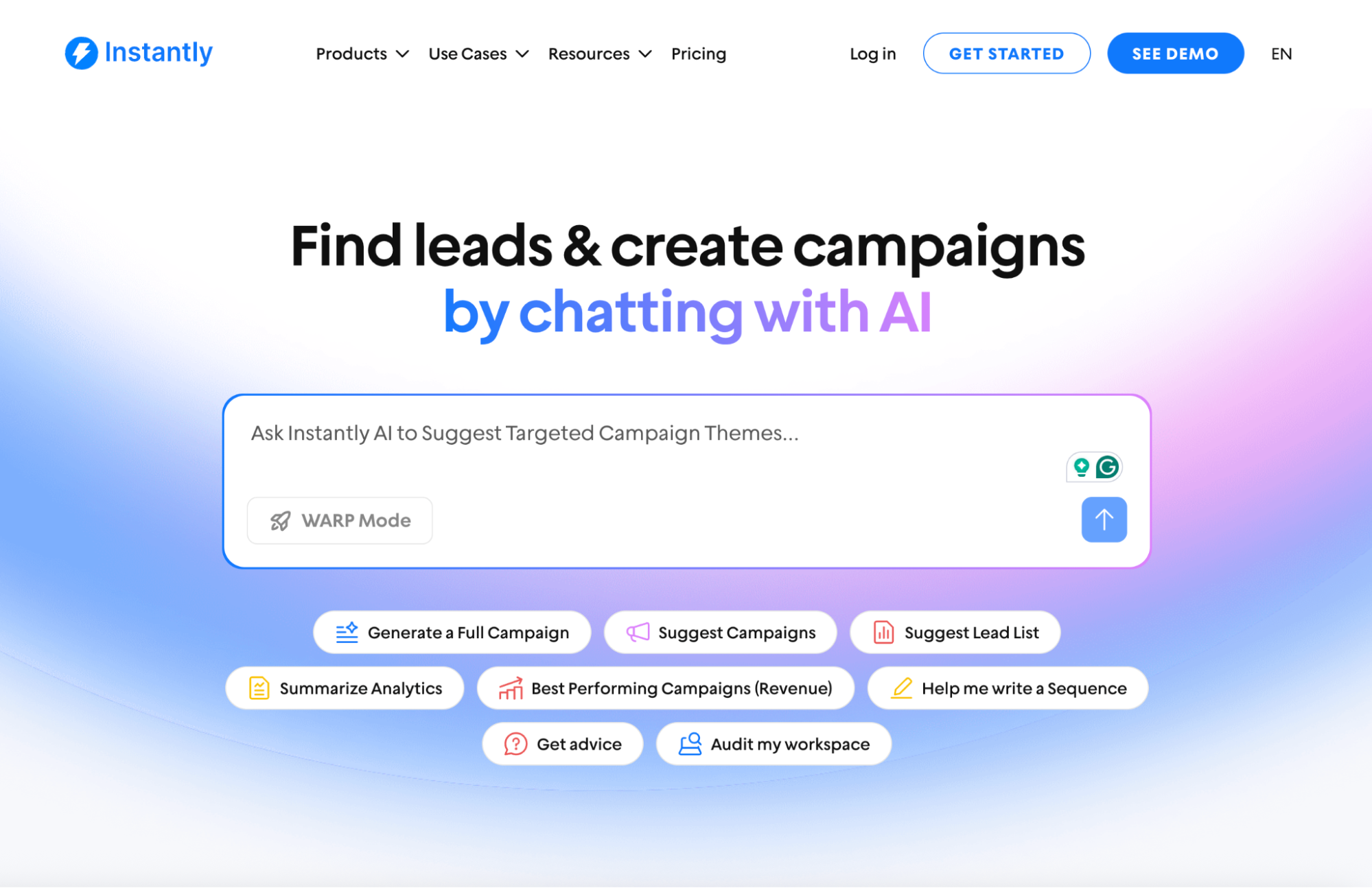
Copilot takes care of the front end: it researches leads, writes contextual first-touch emails, and sets up sequences based on your ICP and offer. Once someone replies, our Reply Agent steps in.
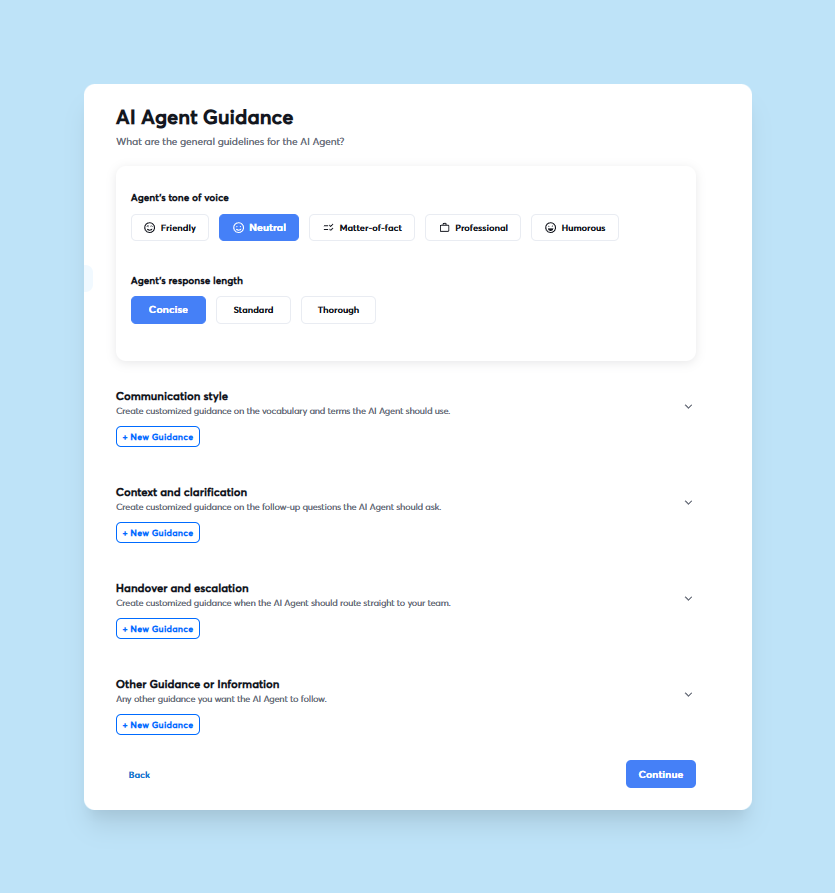
It analyzes the lead’s message, keeps the conversation flowing naturally, and asks qualifying questions. When a lead shows genuine interest, it books the meeting or hands them off to your sales team.
Best Way to Use Chatbots
Chatbots work best on your website, where visitors have already explored your product or service. They’re ideal for supporting inbound traffic, answering questions, and guiding users toward the next step, whether that's booking a call, signing up for a trial, or completing a purchase.
A well-trained chatbot can handle FAQs, explain pricing tiers, recommend plans based on user needs, and even help troubleshoot issues in real time. To get more out of your chatbot, pair it with Instantly’s Website Visitor Identification Tool.
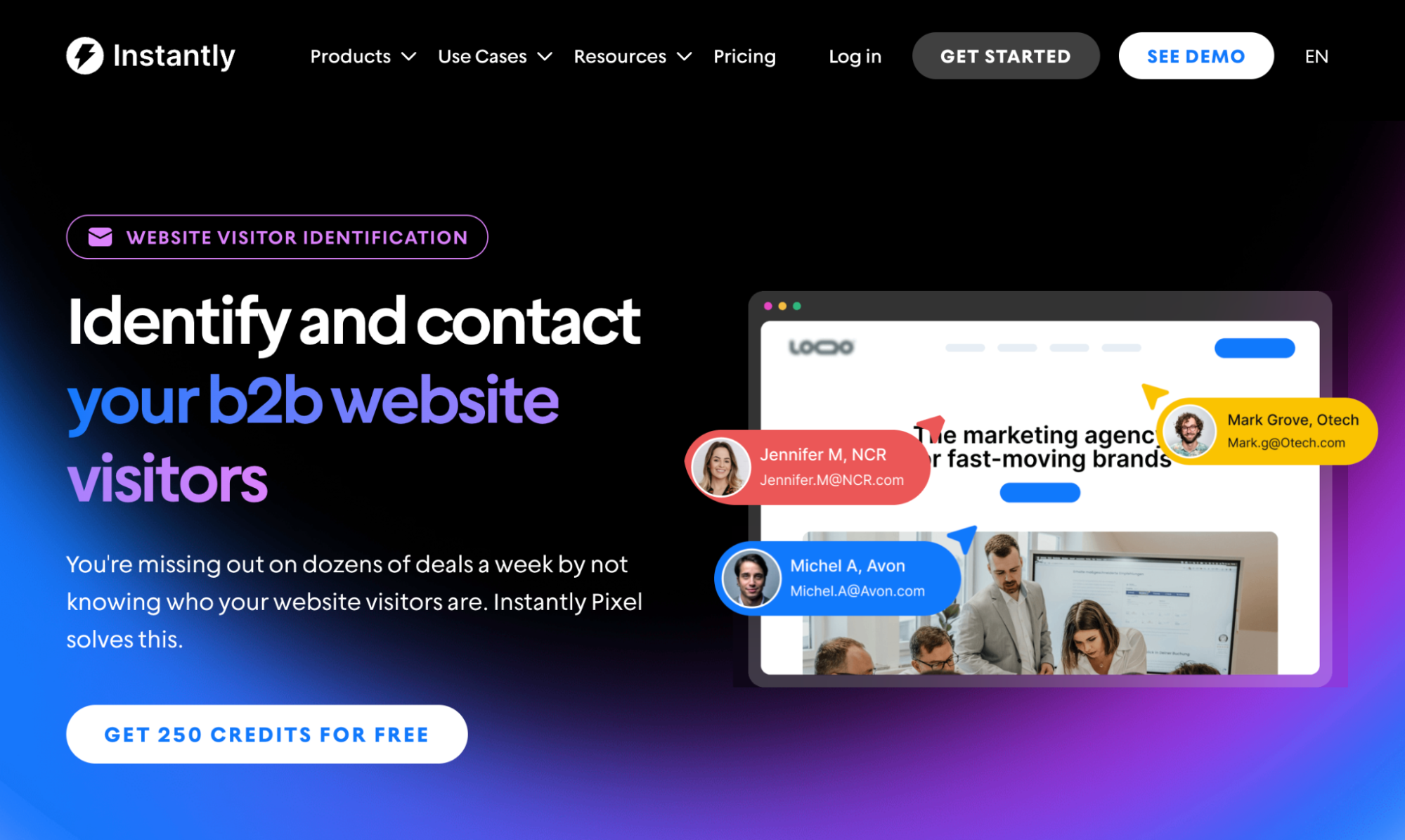
This lets you see who is visiting your site and what interests them, even if they haven’t filled out a form. With that data, your chatbot can respond more intelligently, personalize its answers, and help convert more anonymous visitors into qualified leads.
Key Takeaways
If you’re deciding between a chatbot and an AI sales agent—or wondering if you need both, here’s a quick summary of the core differences and use cases:
- Chatbots are reactive, assisting inbound leads by answering questions and guiding users on your website.
- AI sales agents are proactive, handling outbound tasks like lead sourcing, cold outreach, and qualification.
- Choose a chatbot for fast, affordable support or a simple lead capture tool.
- Chatbots are best suited for support roles and late-stage engagement, while AI agents thrive in early-funnel prospecting and lead nurturing.
- Choose an AI sales agent if you want to scale outbound sales, automate prospecting, and reduce manual follow-ups.
If you’re looking for an AI agent built for cold sales outreach, Instantly Copilot is the best choice. Start finding leads and scaling campaigns with just a few clicks. Try Instantly for free today.


