


Every email sent to a bad address drains your time, budget, and reputation. The direct costs are easy to spot: bounces, wasted effort, and inbox placement that gets worse with every mistake. Less obvious is the long-term damage—a sender reputation that quietly tanks, and engagement rates that never recover.
Email verification isn’t just a technical routine. It’s the foundation of every campaign metric you care about. Skip it, and you’re left guessing why your best offers land in spam or get ignored altogether. Put it first, and you see the difference in open rates, replies, and reliable inbox placement almost immediately.
Most teams know they should verify, but overlook where mistakes creep in—front-end form errors, stale lists, or the false sense of security from a single validation sweep.
We’ll unpack where things break, show how to spot warning signs before they compound, and outline key moves you can make right now. Along the way, you’ll see common scenarios that trip up even experienced senders, and practical fixes to prevent them.
Why You Must Verify Every Email Address
A single bad email address is all it takes to put your sender reputation at risk. When providers see email bounces piling up, they start flagging your domain. Over time, this quietly ruins your chances of reaching the primary inbox, no matter how good your content is.
It goes further than reputation scores. Most engagement tools now depend on verified lists for everything—automation triggers, personalization, and reliable analytics. Feed these systems with unverified addresses, and you’ll get missed triggers, botched personalization, and metrics you can’t trust.
Let’s say a marketing team pulls last year’s list without cleaning it. On launch day, 5% of emails bounce, engagement tanks, and their new domain gets flagged. Or, a sales team uploads a hand-collected CSV full of typos—now every workflow built on that data starts to break.
You’re not just protecting your metrics by verifying every address. You’re protecting the entire chain of your outbound efforts—reputation, analytics, and the customer experience.
Most sender issues can be traced back to a few unverified addresses slipping through. Fix them at the start, and you’ll notice campaigns running smoother, analytics lining up with reality, and a real lift in deliverability.
Email Verification: What It Actually Means
Not every “valid” email address is a deliverable one. That’s the first trap. Validation checks if an address looks correct—no typos, no forbidden characters, the right @ symbol in the right place. But validation can’t tell you if the address is active, monitored, or even exists.
Verification digs deeper. After a syntax check, you need to confirm whether the domain exists and is set up to receive email. Then comes the critical step: checking if the specific mailbox is real and ready to accept messages (without actually sending anything yet).
Here’s a quick breakdown:
- Syntax check: Catches obvious mistakes like “john@gnail.cmo”
- Domain check: Confirms the domain actually exists and has working mail servers
- Mailbox (user) check: Determines if the inbox really exists and can receive messages
That final mailbox step is where most verification tools stumble—especially with catch-all domains and disposable email providers. A “valid” address on paper might be a black hole in reality.
Both validation and verification matter. Validation stops typos and junk at the front door. Verification goes further, so you don’t waste time (and sender reputation) on emails that will never land. This is exactly how Instantly’s verification engine operates—running each step in real time before you ever hit send.
Understanding the difference could be the one thing standing between steady inbox placement and sudden spam folder purgatory.
Best Practices for Email Verification in 2025
Email verification isn’t a single button you press and forget. The most effective teams make it a habit—integrated at every step, not tacked on at the end. Here’s how the most reliable senders keep their lists clean, minimize bounces, and safeguard their sender reputation year-round.
Catch Mistakes at the Source
Most bad emails sneak in right at capture—someone types too fast, auto-correct intervenes, or a fake gets through. Adding live validation to your forms screens out the obvious mistakes.
If a visitor enters “gmail.con” or skips the “@,” an instant prompt gets them to fix it before the address ever reaches your database. This step pays off immediately: fewer bounces, less clean-up, and a better sender reputation from day one. Instantly integrates front-end checks to block these errors in real time.
Build Verification Into Your Workflows
A clean list at signup doesn’t stay clean for long. Every new lead, import, or integration is a new chance for bad data to slip through. This is where real-time API verification becomes essential.
As soon as an address is captured—whether by form, CRM sync, or CSV upload—it runs through syntax, domain, and mailbox checks automatically. No extra effort, just clean data flowing directly into your system. Users get a quick heads-up if their email fails, reducing frustration and keeping your list trustworthy.
Go Beyond Surface Checks With SMTP and DNS
Surface-level validation stops the obvious junk, but deeper verification catches the trickiest problems.
- SMTP checks quietly ping the receiving mail server to confirm an inbox exists, without sending a real message.
- DNS checks confirm a domain is actually configured to handle email. This stops throwaway, expired, or typo-riddled domains from ever polluting your list.
Catch-all domains and temporary addresses are flagged, so you know what’s risky and what’s reliable.
Keep User Data Safe
Every step of verification deals with personal information. Protecting it isn’t optional. Use encrypted connections for all verifications, and never hold onto addresses or verification logs longer than you need them.
If you’re using a third-party service, make sure it complies with privacy regulations and minimizes data exposure. Instantly’s verification process is designed to keep user data secure at every stage.
Maintain With Automated Re-Verification
A verified email isn’t always verified for long. People change jobs. Companies shut down domains. A list that’s safe today could be riddled with bounces next quarter.
That’s why automated re-verification is critical. Schedule regular sweeps, especially before sending major campaigns or reactivating old segments. Instantly makes this easy—set routine checks and get notified of changes before they cost you reputation or returns.
Build verification into every step, not just once. That’s how high-deliverability teams stay ahead of problems—and how you keep your campaigns out of the spam folder, year after year.
Where Most Verification Guides Fall Short
Most verification advice covers the easy wins—basic syntax checks, obvious typos, or one-time bulk email verification. But the devil is in the details, and cutting corners here leads to bigger headaches down the road.
Here’s where many verification tools miss the mark:
- Edge cases like catch-all domains, role accounts, and temporary emails go unaddressed, leaving major blind spots in your workflow.
- Costs are unclear or misleading, with some tools charging per result, others per attempt, and many failing to explain what you’re really paying for.
- Compliance risks are glossed over; key privacy regulations like GDPR and CAN-SPAM get little attention, putting your operation at risk if you’re not careful.
- User experience suffers when verification blocks real leads or frustrates users with unclear error messages, costing you conversions.
- There’s usually no evidence of real outcomes—most guides don’t show lifts in inbox placement, lower bounce rates, or before-and-after results for list health.
If you want a verification process you can trust, focus on tools and practices that address each of these in detail—not just the basics. Study your own data for edge cases, compare pricing models carefully, and demand transparency in every step of the verification process.
Building a High-Quality List: Step-by-Step
The cleanest lists don’t happen by accident—they’re built and guarded at every stage. From the first point of capture to ongoing monitoring, quality control is a continuous process that protects your reputation and results.
Capture: Get It Right at the Start
Smart list building begins the moment someone enters their address. Use well-designed forms with live validation to block typos and fakes before they enter your system. Instantly’s anti-fake capture features catch the most common fraud patterns, so you don’t end up with bots or junk clogging your pipeline.
Cleanse: Batch-Verify What You’ve Got
Older lists are full of hidden dangers—expired domains, abandoned inboxes, and addresses that never should have made it through.
Batch-verifying these lists gives you a fresh baseline and the confidence to send without fear of mass bounces. If a segment comes back with too many invalid addresses, don’t hesitate to cut it—dirty data is more expensive than lost contacts.
Maintain: Make Verification Ongoing
No list stays fresh forever. People change jobs, companies close down, and data gets stale. Build regular, automated verifications into your process to keep your sender reputation healthy. Set these cycles to run at intervals that match your sending frequency—monthly for high-volume senders, quarterly for everyone else.
Monitor: Use Analytics to Spot New Risks
Even a verified list can develop trouble spots. Keep an eye on bounce rates, spam complaints, and engagement dips—the right analytics will alert you before small issues turn into big reputation problems.
Modern deliverability platforms like Instantly make this possible, pairing list verification with real-time inbox placement tracking and domain reputation monitoring, all in one dashboard. When metrics start to slide, you get visibility into exactly where things are breaking so you can clean up proactively.
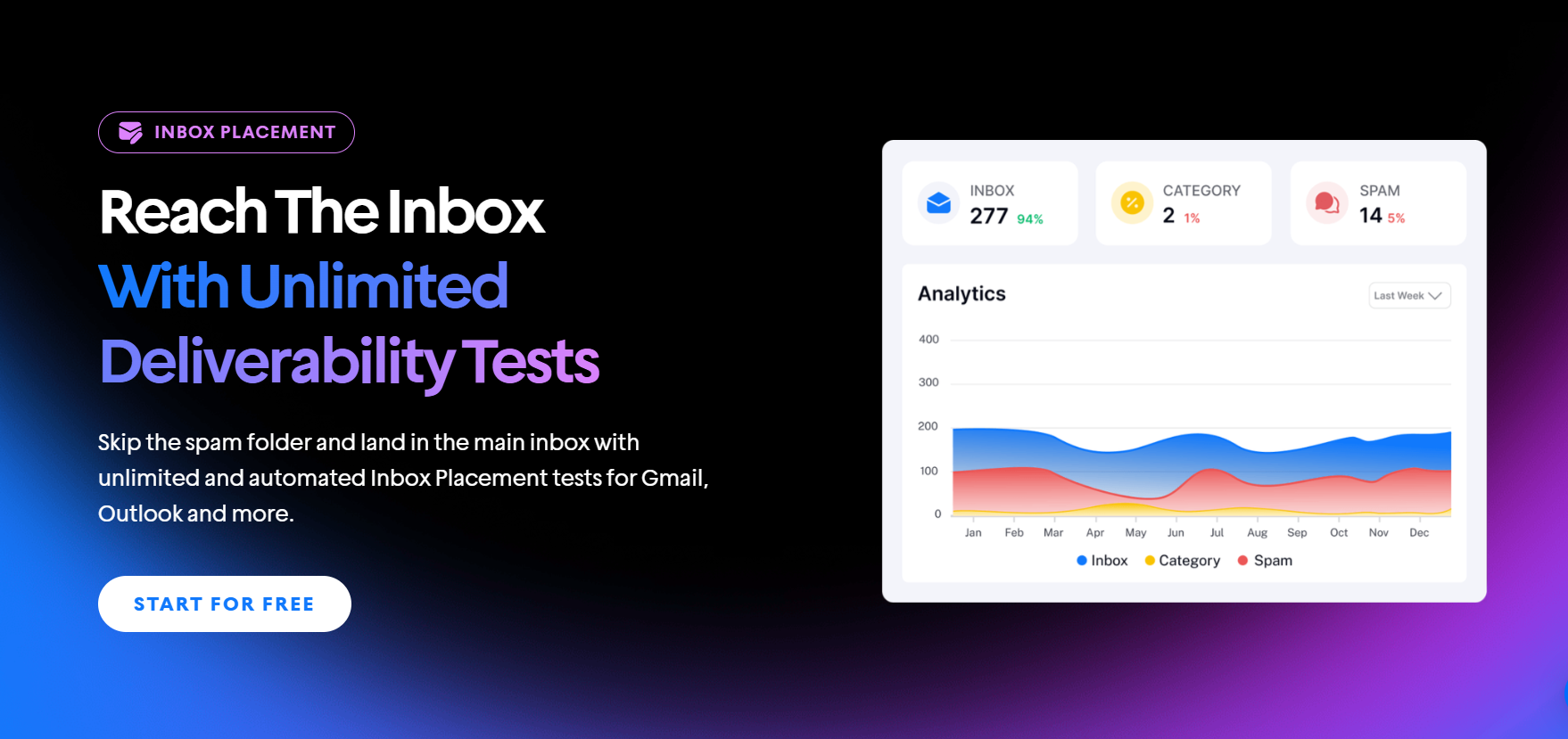
High-quality lists aren’t built in a day. When verification and deliverability tools work together, your campaigns enjoy higher engagement and results that compound with every send.
Key Takeaways
Email verification isn’t a one-off task—it’s the ongoing safeguard for your sender reputation, campaign performance, and business credibility. The strongest lists are built and maintained at every stage. Here’s what matters most:
- Capture clean data at the source with built-in validation.
- Batch-verify and clean old lists before every campaign.
- Set up automated, ongoing verification to keep quality high.
- Monitor deliverability and spot new risks with real-time analytics.
- Choose tools that address edge cases, compliance, and user experience.
Ready to put these best practices on autopilot? Start your free Instantly trial and see how email verification plus deliverability analytics keeps your emails landing where they belong.


