


Updated May 22, 2026
TL;DR: A high-converting business proposal email CTA removes decision friction by offering one clear, low-risk next step. Interest-based CTAs convert up to 2x better than direct booking links in cold outreach. Emails with a single focused CTA consistently outperform those with multiple options. Match your CTA to the buyer's awareness stage, test urgency triggers using A/Z variants, and centralize replies in one inbox so no deal falls through the cracks.
About 12% of closed-lost opportunities fail at the proposal stage in enterprise SaaS sales. Price objections without clear ROI drive 60% of these losses, unfavorable contract terms account for 25%, and procurement delays cause 15%. Even when pricing and terms are solid, a vague CTA adds friction that can kill momentum. The prospect opens the email, reads the proposal, then hits an unclear ask with no obvious path forward. They tab away and never come back.
A proposal email CTA must guide the prospect to a single, low-friction decision. Whether you're testing across one inbox or scaling with Instantly's 4.2M+ account deliverability network, the principles remain the same. This guide breaks down the anatomy of high-converting CTAs, how to match urgency to the buyer's timeline, and how to use A/Z testing to turn stalled proposals into booked meetings.
Diagnosing low-converting proposal CTAs
Identifying proposal decision bottlenecks
A proposal email CTA is the single sentence that determines whether your prospect moves forward or ghosts you. Founders often polish the deck while rushing the ask. That imbalance explains why so many proposals sit unread after the first open.
The core problem is cognitive overload. When a prospect reads your proposal and hits a vague or multi-step ask, their brain calculates the response cost. If that cost feels high, they defer, and deferral becomes ghosting. Hick's Law explains this directly: when you eliminate the choice between multiple actions, response time drops because you've made the decision for them.
Mobile viewing compounds the problem. More than 40% of B2B emails are opened on mobile devices, and a long, multi-option CTA block collapses badly on a phone screen. If your prospect reviews your proposal on their commute, they need one tap, not three decisions.
Avoid vague next steps for commitments
Phrases like "let me know your thoughts" and "feel free to reach out" share one flaw: they push the entire decision onto the prospect with no defined action, no clear next step, and no deadline.
Common low-converting CTA patterns to eliminate:
- "Let me know what you think" (no defined action)
- "Feel free to reach out if you have questions" (passive, no urgency)
- "I look forward to discussing further" (vague, no specific ask)
- Two or more CTAs in one email (splits attention, reduces action on any single option)
Data drivers of proposal CTA conversion
Three metrics tell you whether your CTA is working:
- Reply rate: A healthy baseline for B2B outreach runs 5-10%, with 10-15% considered strong. If your proposal emails run below 5%, the CTA is a likely culprit alongside subject line and deliverability.
- Booked meetings: The direct downstream output of a working CTA. Monitor how many proposals convert to scheduled meetings.
- Proposal acceptance rate: The ratio of sent proposals to signed agreements. A low acceptance rate alongside decent reply rates often signals your CTA is generating engagement but not commitment.
What makes a proposal email CTA convert: structure, focus, and friction
Single CTA vs. option overload
The data is decisive. Emails with a single focused CTA see up to 371% more clicks than emails with competing options. In a Whirlpool case study, emails with one CTA outperformed those with four by 42% in click-through rate. One ask. One action. That is the system.
Your proposal CTA checklist:
- Contains exactly one action
- Opens with a verb ("Book," "Reply," "Confirm")
- Consider specifying the time commitment ("10 minutes," "this week")
- States a benefit or outcome, not just a process step
- Works on mobile without needing to scroll
- Keep it concise and scannable
Urgency: real deadlines vs. artificial pressure
Real urgency ties to a specific, verifiable constraint: an onboarding slot closing, a pricing window expiring, or a quarter-end implementation deadline. Artificial urgency ("act now before it's too late") reads as pressure and damages trust with buyers who are already skeptical.
If you can't explain the deadline in one factual sentence, don't use it. "This pricing is valid through April 30 while we have two onboarding slots this quarter" is credible. "Limited time offer!" is not.
Urgency-driven subject lines can boost open rates by up to 22%, but that lift disappears if the body CTA doesn't match the urgency signal. Sync your subject line urgency with your CTA urgency.
Faster path to commitment
ROI framing inside the CTA shifts the focus from effort to outcome. Instead of "Book a call," use "Book 15 minutes to see how [outcome] works for your team." You're not asking for time, you're offering a return on that time.
For meeting scheduling emails, a staged approach often outperforms direct booking links in cold outreach. Rather than sending a calendar link in the first message, start with an interest-based question, propose specific times after confirmation, then share the booking link once timing is agreed.
One-click vs. conversational meeting CTAs
Conversion data: direct booking vs. reply-first
Interest-based CTAs achieve up to 2x higher response rates than direct booking requests in cold outreach. The reason is psychological: an interest-based ask ("Does this seem like a fit for your team?") requires only a yes or no. A direct booking link, however seamless the calendar experience, asks prospects to make a scheduling commitment before they've signaled any interest in having the conversation.
Solicited proposals are different. If a prospect already asked you to send a proposal, a direct booking link carries lower friction because the commitment decision is already made.
Match CTA to prospect stage
The table below shows how to calibrate your CTA to the proposal type and prospect state.
Scenario | Prospect state | Recommended CTA type | Example |
|---|---|---|---|
Solicited proposal (warm) | Often higher intent | Direct booking link or reply-to-confirm | "Ready to move forward? Reply to confirm and I'll send the agreement." |
Unsolicited proposal (cold) | Typically lower awareness | Interest-based, no link | "Does this seem like a fit for your team?" |
Follow-up on opened proposal | Interested, not committed | Soft reply ask with time offer | "Worth a 15-minute call this week to walk through the details?" |
Proposal after discovery call | Qualified, evaluating options | Specific next-step with deadline | "Two onboarding slots are open in May. Want to lock one in?" |
Hybrid CTAs that reduce drop-off
A hybrid CTA pairs a soft interest check with a low-friction link option for prospects who are already decided. One common approach is to open with a conversational ask and follow with an optional calendar link:
"Does this align with what you had in mind? If you're ready to move forward, you can grab 15 minutes here [link]."
This covers both decision timelines in two sentences. The format gives prospects two clear paths based on their readiness.
Effective urgency triggers for proposal emails
Urgency types and when to use them
Tie your deadline to a real operational constraint. Options that hold up to scrutiny:
- Pricing validity window ("This rate is valid through the end of the month")
- Onboarding capacity ("We have two implementation slots open in Q2")
- Team availability ("Our onboarding team has availability starting next quarter")
Trigger type | Best use case |
|---|---|
Time-bound pricing | Solicited proposals near quarter-end (only if pricing window is genuine) |
Limited capacity | Service businesses with fixed onboarding slots (only if capacity constraint is real) |
Bonus for quick decision | Warm leads who've seen the proposal before |
Artificial scarcity | Avoid entirely, erodes trust |
Loss framing | Only use when the prospect has a real cost of inaction |
The Instantly cold email copywriting framework recommends keeping the CTA to one sentence ending in a question. However, research shows that questions can give readers permission to respond "No" and move on, while imperative statements like "Book a call" are more definitive and authoritative.
Which urgency type converts best?
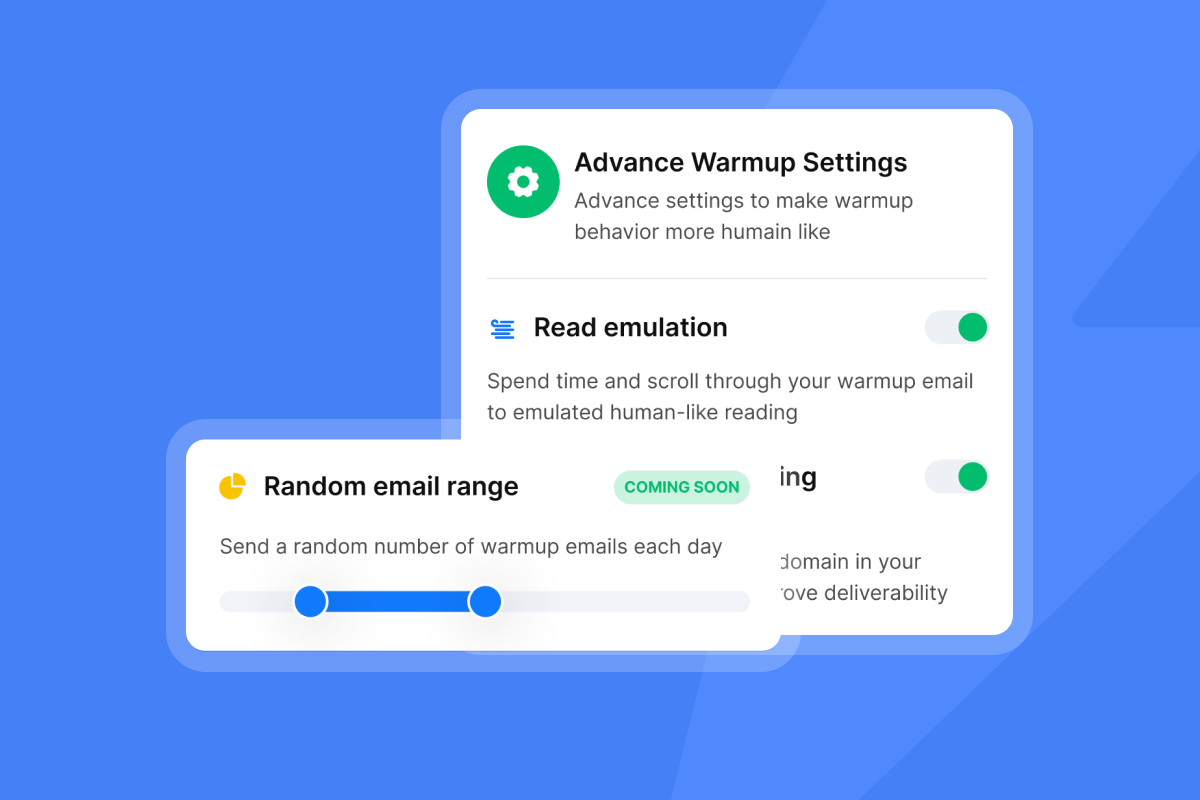
No single urgency trigger works for every audience or deal size. A/Z testing lets you run up to 26 variants per campaign step and identifies the highest-performing version automatically. For proposal follow-ups, test capacity urgency against deadline urgency as the first variable, then test the presence or absence of a calendar link as the second. Keep one variable per test to produce clean data.

Multi-CTA strategies for different decision timelines
Convert committed leads: no-friction CTAs
Hot leads who've replied positively or attended a demo need a CTA that removes every remaining barrier. Skip the interest check and go straight to the commitment step with language that assumes forward motion: "Shall I send over the agreement?" or "Want me to book us in for next Tuesday to kick off?"
The timing window here is tight. Respond within two hours of their positive signal because commitment decays fast. If they replied "This looks good" at 11 a.m., your follow-up should land before 1 p.m. that same day.
Structure the friction-free ask:
- Lead with the next concrete step: "I'll send the agreement over this afternoon" beats "Let me know if you want to proceed."
- Assume the yes: Frame your CTA as scheduling logistics, not a decision point. Use "When works for you?" instead of "Are you ready?"
- Remove choice paralysis: Offer two specific times rather than open-ended availability. "Tuesday at 2 p.m. or Thursday at 10 a.m.?" performs better than "What's your availability next week?"
- Attach the commitment tool: Include the calendar link, agreement draft, or onboarding form in the same message. Do not make them ask for it.
One client moved from 32% close rate to 47% on hot leads by switching from "Would you like to move forward?" to "I'm sending the contract now—reply with your start date preference." The difference is removing the decision and focusing on execution.
Secondary CTA: need-more-time buyers
Some prospects are interested but need internal sign-off. A secondary CTA gives them a low-friction middle path. After your primary ask, add one sentence: "If you need to loop in your team first, I'm happy to join a 15-minute intro call." This keeps the door open without doubling the decision burden.
For guidance on turning interested leads into meetings, Instantly's help center walks through the exact conversation flow from first interest signal to booked call.
Nurture CTAs for early leads and CTA placement
Unsolicited proposals need a CTA built for low awareness. The goal is a reply, not a meeting. A simple question like "Does this seem relevant to what you're working on?" costs the prospect nothing to answer and opens the conversation without demanding commitment. The Instantly follow-up subject lines guide covers how to re-engage these prospects across a multi-step sequence.
Many senders find success placing the CTA after establishing value in the email body. Keep emails concise to reduce friction, particularly on mobile devices where longer messages require scrolling to reach the ask.
Templates to accelerate proposal commitments
20 high-converting proposal CTA examples
Scheduling a follow-up: Use these for warm leads who've engaged but haven't committed to a time.
- "Does a 15-minute call make sense this week?"
Requesting feedback on an unsolicited proposal: These lower-friction asks work when the prospect didn't request your proposal.
- "Worth discussing if this matches your goals?"
- "Open to a quick walkthrough of the specifics?"
- "Does the direction make sense given your current focus?"
- "See potential here for your team?"
- "Want to walk through implementation for your use case?"
Initiating contract review (solicited proposals): Direct commitment language for prospects who asked for the proposal.
- "Ready to move forward? Let me know and I can send the agreement."
- "Should I send over the formal contract?"
- "Would a walkthrough of the contract terms help?"
- "We have onboarding slots available next month. Want to reserve one?"
- "If the numbers work for you, I can send the agreement today."
Urgency-based CTAs: Tie these to real deadlines for prospects in active evaluation.
- "Example: 'This pricing is valid through [date]. Worth a quick call to confirm?'"
- "Try: 'We have limited implementation slots this quarter. Want to discuss timing?'"
- "Consider: 'If we start this week, onboarding could begin Monday. Does that work?'"
Risk-reversal CTAs: Remove perceived commitment cost for cautious buyers.
[This section has been removed as the claims could not be verified]
For the anatomy of a cold email and how CTAs fit into the full structure, the Instantly Cold Email Copywriting Masterclass covers the complete framework. The triple-a method for high-converting copy applies these patterns in real campaign examples.
Measure CTA performance for pipeline growth
Your first CTA tests
The most effective first test compares an interest-based CTA against a direct booking ask, using reply rate as the winning metric. Set up two variants in your proposal follow-up sequence:
- Variant A: "Does this align with what you had in mind?"
- Variant B: "Worth a 15-minute call to walk through the details? [Calendar link]"
Run both variants long enough to gather meaningful data before drawing conclusions. The subject line testing governance guide suggests larger sample sizes for statistically meaningful results, but exact thresholds depend on your send volume and baseline metrics. For smaller teams, focus on directional signal and iterate quickly.
Avoid false positives
Small teams face a specific problem with CTA testing: low send volumes produce noisy data. 50 emails per variant and a 2% difference in reply rate is not a reliable signal. Test one variable at a time, run tests longer than feels comfortable, and use reply rate as the primary metric. Open rate tracking is increasingly unreliable due to Apple MPP and security bots inflating figures.
Track CTA test results in Instantly
Instantly's A/Z testing lets you test up to 26 CTA variants within a single campaign sequence, with the auto-optimize function identifying the strongest performer and deactivating weaker variants automatically. The setup process:
- Create your campaign and write your base email
- Add variants using the "Add variant" option in the Sequences section
- Write each CTA variant, changing the subject, body, or both
- Navigate to Campaign Options, then Advanced Options, then select Auto-optimize A/Z testing
- Choose your winning metric (reply rate is recommended for proposal emails) and save
- Review performance in the analytics dashboard after at least four weeks
"Instantly makes it genuinely easy to run outbound at scale without feeling overwhelmed by complexity. The inbox rotation, sending controls, and campaign setup are all intuitive, which means you can go from idea to live campaign quickly." - Curtis S. on G2
The A/Z testing feature is included on the Growth plan at $47/mo (or $37.6/mo on annual), which means you run proposal CTA tests across unlimited sending accounts on a flat fee rather than paying per seat for each variant. That matters for founders who want to iterate fast without a compounding software bill.
Troubleshoot proposal CTAs: get more booked meetings
Optimal CTA count and pricing in the email body
One CTA is almost always the right answer. The only case for two is when you're writing for genuinely different decision timelines in the same email: a primary ask for committed prospects and a secondary soft fallback for those who need more time. Even then, separate the two visually and make the primary CTA the dominant element. Click tracking data shows that when multiple links compete in an email, engagement distributes across them and reduces the action rate on any single option.
For pricing in the email body: for simple, low-complexity deals where price is a selling point, anchoring it in the CTA works. "We can deliver this for [price]. Worth 15 minutes to walk through what's included?" earns attention when the price is competitive. For high-value, complex proposals, leave pricing in the document and use the CTA to drive conversation. Sticker shock without context kills deals before you can address objections.
Revive unresponsive proposal CTAs
Follow-up emails generate 42% of all campaign replies, yet 48% of reps never send a second message, which means nearly half of potential responses are abandoned. The best recovery strategy centralizes all replies across every connected account using the Instantly Unibox, so no response from a proposal follow-up goes unnoticed.
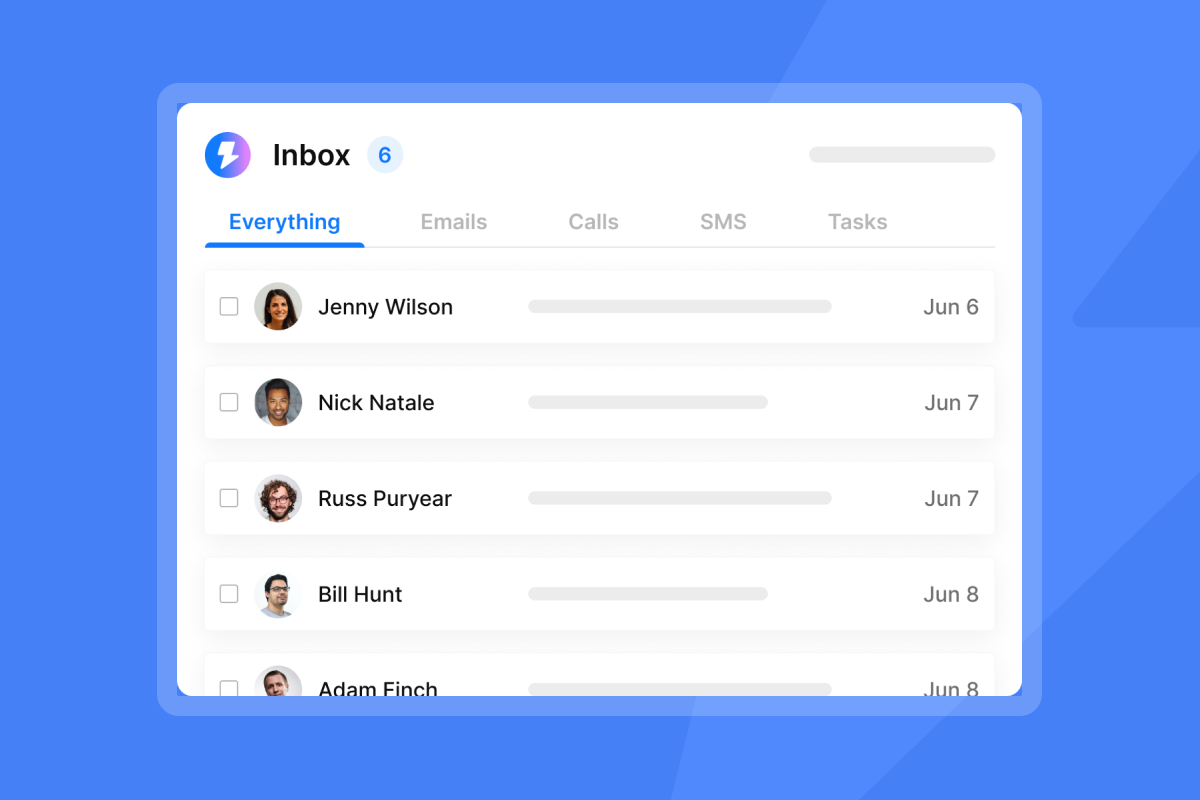
The AI Reply Agent inside Unibox automatically reads, classifies, and responds to cold email replies in under 5 minutes. It runs in two modes: Autopilot (replies go out without human approval) and Human-in-the-Loop (you approve before anything sends). For proposal follow-ups where brand tone matters, Human-in-the-Loop gives you control while the AI handles triage and drafting. The AI reply management guide covers how to configure the Reply Agent for different proposal scenarios, including objection handling.
"I really appreciate the deliverability it offers. I like the 'interested leads' feature because I get notified when somebody is interested, so I don't have to check it manually." - Laura R. on G2
Optimal wait time for proposal follow-ups
The recommended cadence after sending a proposal:
- Day 1: Send the proposal email
- Day 3-4: First follow-up with a softer CTA ("Any initial thoughts on the proposal?")
- Day 8-11: Second follow-up adding a new value signal (case study, relevant insight)
- Day 18-21: Final follow-up with a clear close or graceful exit ("Happy to close this out if the timing isn't right")
For follow-up email strategy and subject line optimization, the Instantly channel covers the exact cadence and copy patterns that re-engage without burning the relationship.
If you want to run this entire system end-to-end, the speedrun cold email walkthrough shows every step from zero to first booked call in a single session.
"For cold emails, Instantly is far and away the best tool I've used." - Michael S. on G2
The founding principle of lean sales is straightforward: more pipeline per dollar, not more tools per problem. A working proposal CTA system, tested with A/Z variants and managed through a unified inbox, is that principle applied to your outbound motion. Test your first CTA variant this week and let the reply data tell you what your prospects actually respond to. Try Instantly's A/Z testing free and set up your first test using the templates in this guide.
What's the proposal CTA that's working best for your team right now? Share your example in the comments.
FAQs
How many CTAs should a proposal email include?
Use one CTA, since single-focus CTAs produce up to 371% more clicks than multiple options. For most proposals, use "Book 15 minutes" or "Reply with availability," and add a fallback like "Send questions" only when you need a soft option for hesitant prospects.
How long should I wait before following up on a proposal email?
Send your first follow-up 3-4 days after the initial proposal, then a second follow-up around Day 8-11 and a final follow-up at Day 18-21. This sequence captures the 42% of replies that come from follow-ups rather than initial sends.
Do calendar links or reply-first CTAs convert better in proposal emails?
Interest-based CTAs typically convert better than direct booking links in cold outreach. For warm solicited proposals, direct booking links work because the prospect already signaled intent.
Read next
- Meeting Scheduling Email Guide for Cold Outreach 2026
- Cold Email Follow-Up Subject Lines: How to Re-Engage Without Being Pushy
- Email Click Tracking: How to Measure Engagement Beyond Open Rates
How many variants can I test with Instantly's A/Z testing?
Instantly's A/Z testing supports up to 26 variants per campaign step, with the auto-optimize feature measuring reply rate, click rate, or open rate and automatically deactivating underperforming variants once a winner is identified.
What reply rate should I expect from a well-crafted proposal CTA?
A reply rate of 5-10% is typical for B2B outreach with a strong single CTA, with 10-15% considered strong performance. If you're consistently below 5%, test CTA friction first, then subject line, then list quality.
Key terms glossary
A/Z testing: Instantly's multi-variant testing system that supports up to 26 email variants per campaign step. The auto-optimize feature identifies the highest-performing variant by reply rate, click rate, or open rate and deactivates weaker versions automatically.
Decision friction: The cognitive load a prospect experiences when deciding whether to respond to a CTA. Reduced by limiting the email to one action, naming the time commitment, and using verb-first language.
Unibox: Instantly's centralized inbox (included in the Growth CRM plan at $47/mo) that consolidates replies from all connected email accounts into one place, with the AI Reply Agent classifying and drafting responses in under 5 minutes.
Reply rate: The percentage of sent emails that receive a response. The primary metric for measuring CTA effectiveness in proposal outreach, with 5-10% as a healthy baseline and 10-15% as strong performance.
Interest-based CTA: A question-format CTA that asks for a low-commitment reply ("Does this seem like a fit?") rather than a direct booking or contract action. Produces up to 2x higher response rates than direct asks in cold outreach contexts.
Solicited proposal: A proposal sent after the prospect explicitly requested it, typically following a discovery call or inbound inquiry. Allows for higher-friction CTAs like direct booking links because prospect intent is already confirmed.



